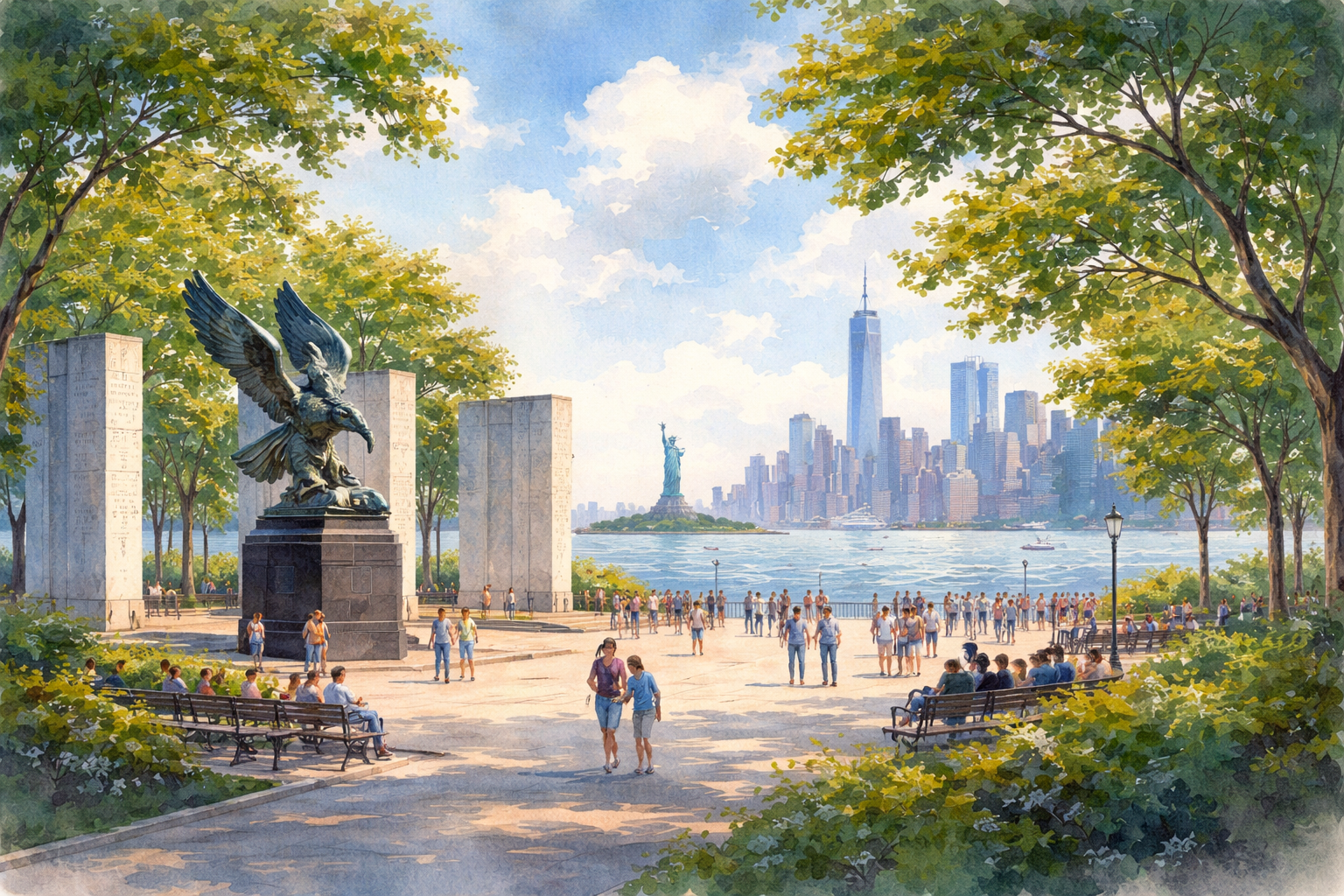
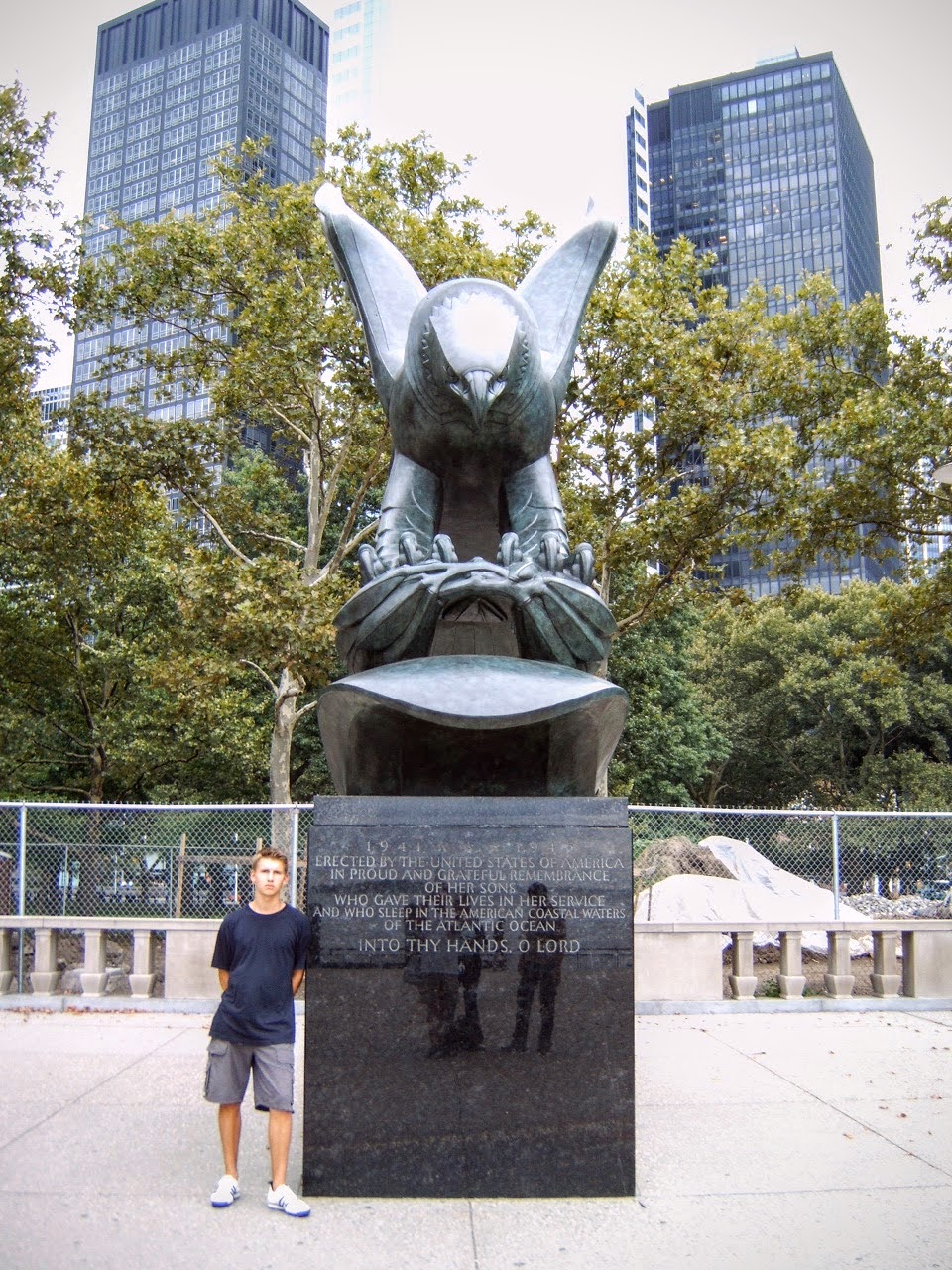
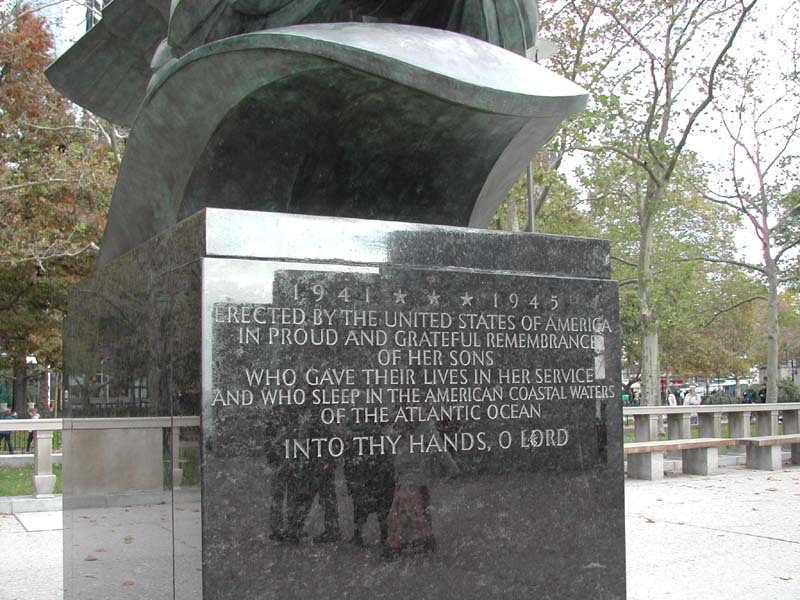
At Battery Park in New York City, memory and landscape come together in a remarkable way. The memorial seen here stands in one of the most historic settings in America, where the harbor, the skyline, and the view toward the Statue of Liberty create a natural stage for remembrance. It is a place where visitors pause, read the names, and reflect on lives lost at sea during a time of war.
A memorial facing the Atlantic
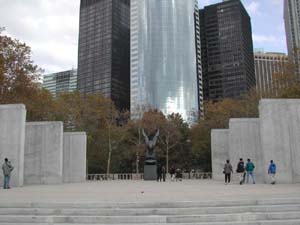
This page is written around the East Coast Memorial in The Battery, one of the most meaningful war memorials in New York. It honors American service members who were lost in the western waters of the Atlantic Ocean during the Second World War. The setting is deeply symbolic: the monument looks outward over the harbor, linking the city to the ocean routes, convoys, and wartime dangers that shaped the Battle of the Atlantic.
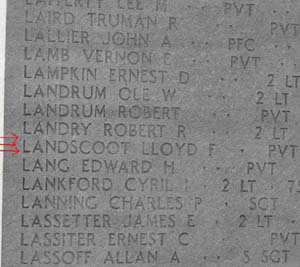
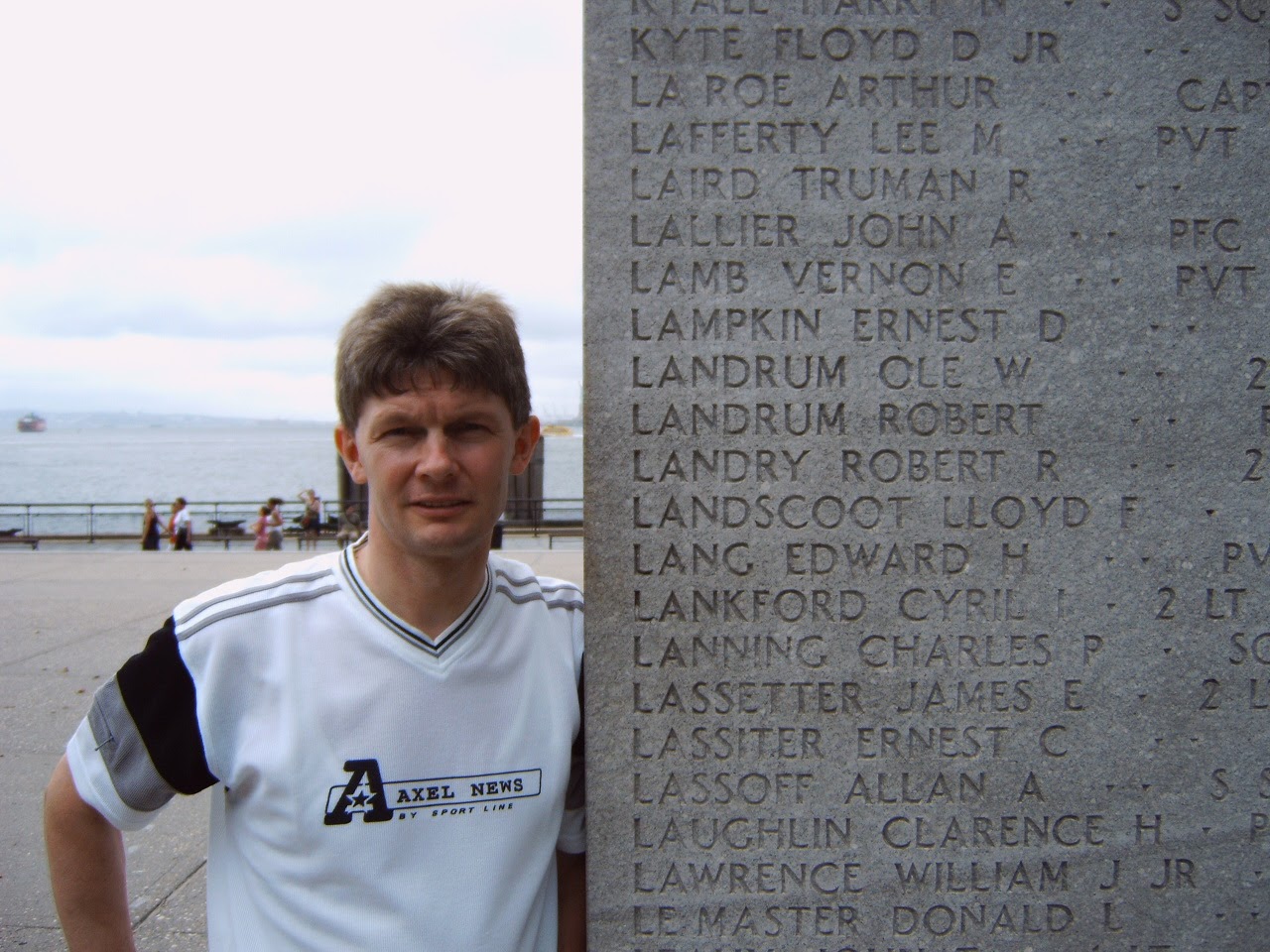
The memorial is not only architectural, but personal. The names inscribed there stand for thousands of individual stories—soldiers, sailors, marines, coast guardsmen, merchant mariners, and airmen whose bodies were never recovered. In this way, the site serves both as a monument and as a form of absence made visible: a place where names take the place of graves.
The meaning of Battery Park
Battery Park has long been one of New York’s great threshold spaces. For centuries, it has been tied to defense, arrival, departure, and memory. From this southern edge of Manhattan, immigrants first approached the city, troops departed across the Atlantic, and generations of New Yorkers looked out toward the Statue of Liberty as a symbol of hope and national identity.
That is why a memorial here feels especially powerful. It is not hidden away. It stands in a public, living landscape—visited by tourists, families, and passers-by—so remembrance remains connected to daily life. The memorial reminds visitors that the freedom symbolized by the harbor also came at a very great human cost.
A quiet monument in a restless city
One of the most striking aspects of the memorial is the contrast between silence and movement. Around it, New York continues at full speed: ferries move across the water, crowds pass through the park, and the skyline rises behind it. Yet the monument itself invites stillness. Its forms, inscriptions, and orientation create a calm, reflective space within the city.
That contrast gives the site much of its emotional force. The memorial does not dominate the park; instead, it asks to be discovered. Once noticed, it changes the way the visitor sees the harbor. The water is no longer only scenic—it becomes historical, a reminder of wartime crossings, danger, sacrifice, and lives that never returned home.
Historical note
The memorial at Battery Park stands as a powerful link between New York City and the Atlantic world of the Second World War. In its quiet way, it preserves the memory of those lost at sea and gives their names a permanent place in one of the most symbolic public spaces in the United States.
Page prepared for the Van Landschoot website.