
 Nederlands
 Español
 Français
As a child, Kathleen Hertzel was fascinated by a small leather pouch kept by her father, World War II veteran William Hertzel. Inside was a white silk Japanese battle flag, marked with kanji writing, sacred symbols, a bullet hole, and even traces of blood. It was not just a war souvenir. It was the last personal object of a fallen Japanese soldier, carried across the Pacific after the Battle of Leyte in nineteen forty-four. Decades later, Kathleen would begin an extraordinary journey to return that flag to the soldier’s family in Japan.
A father’s memory of war
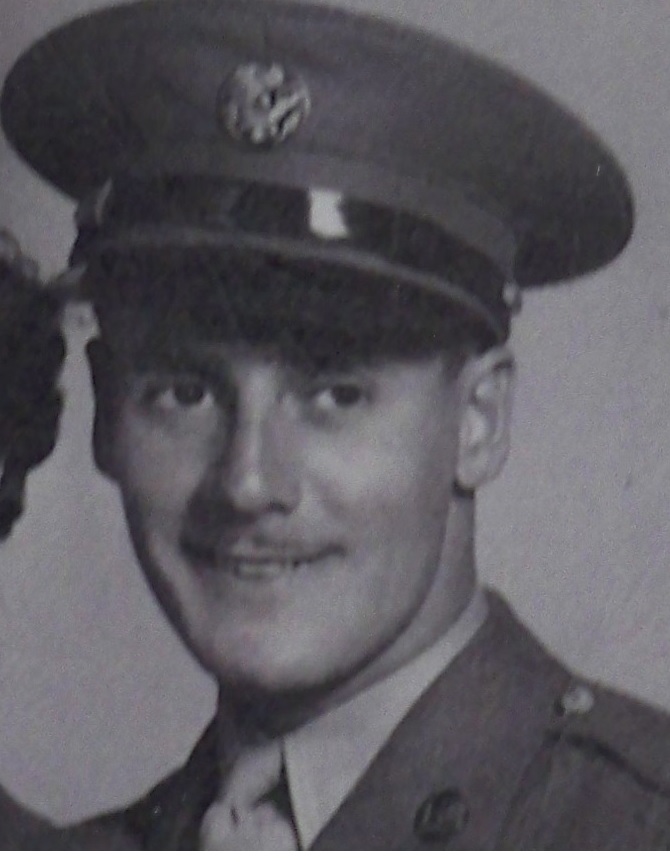
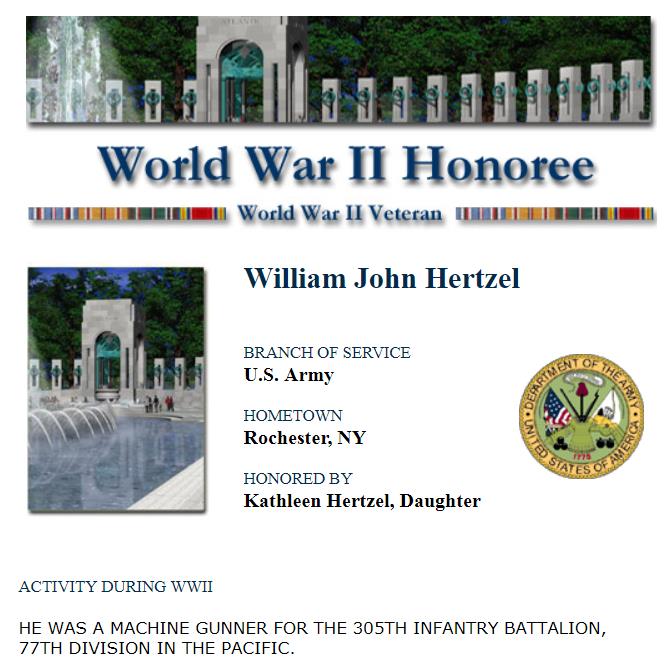
William Hertzel served as a machine gunner with the 305th Infantry Battalion, 77th Division, during the Pacific campaign. Like many veterans, he spoke little about the war. Yet he did tell his daughter enough for her to understand the terrible closeness of combat in the Pacific. He described the cave fighting, the grenades thrown into hive-like positions, and the awful reality of how men died there.
In November nineteen forty-four, after fighting on the island of Leyte in the Philippines, he removed the silk battle flag from the body of a fallen Japanese soldier. Such battlefield souvenirs were common among Allied servicemen. But William was careful to make one thing clear to his daughter: he had not killed the man. Even in war, that distinction mattered deeply to him.
Leyte and the wider war
The flag’s story is inseparable from the vast conflict in which it was taken. The Battle of Leyte Gulf, fought in waters near Leyte, Samar and Luzon from 23 to 26 October 1944, is generally regarded as the largest naval battle of World War II, and by some measures perhaps the largest naval battle in history. It followed the Allied landings on Leyte on 20 October, part of a strategy to cut Japan off from the territories it occupied in Southeast Asia and from their vital oil supplies.
The Imperial Japanese Navy committed nearly all of its remaining major forces in an attempt to crush the invasion, but it was repulsed by the American Third and Seventh Fleets. After Leyte Gulf, Japan would never again send its navy into battle on the same scale. Behind those grand strategic movements lay countless individual tragedies, among them the death of the young Japanese soldier whose flag would one day cross the ocean again.
The forgotten flag in a drawer
For years the flag remained mostly forgotten, taken out only occasionally to be looked at or shown to others. Then, in nineteen seventy-eight, William showed it to a Japanese nurse at the nursing home where he worked as a security guard. She was able to translate some of the writing, including the soldier’s name. That discovery gave the flag a human identity. It no longer belonged to an anonymous enemy. It belonged to someone specific.
William may well have tried to trace the soldier’s family himself, but he died later that same year before he could begin the search. The flag returned once more to its drawer, carrying its unanswered questions with it.
Kathleen begins the search
In nineteen ninety-five, on the fiftieth anniversary of the end of the war in the Pacific, Kathleen Hertzel took the flag out again and decided that she would try to return it to the dead soldier’s family. As a child she had often wondered whether that soldier had left children behind, children who had grown up without a father. Now she wanted to do something meaningful with the object that had haunted her imagination for so long.
Her first attempts brought no reply. Letters to the Japanese consulate in New York City and to the United States ambassador in Japan led nowhere. For another five years, the flag again lay in silence. Then an unexpected connection changed everything. A co-worker suggested contacting a man in a California office whose roommate was Japanese. That roommate, Toshi Washizu, agreed to help. He carried photographs of the flag back to Tokyo, where his sister and brother-in-law, Hideko and Soji Kudo, contacted the national newspaper Asahi Shimbun.
The name behind the flag
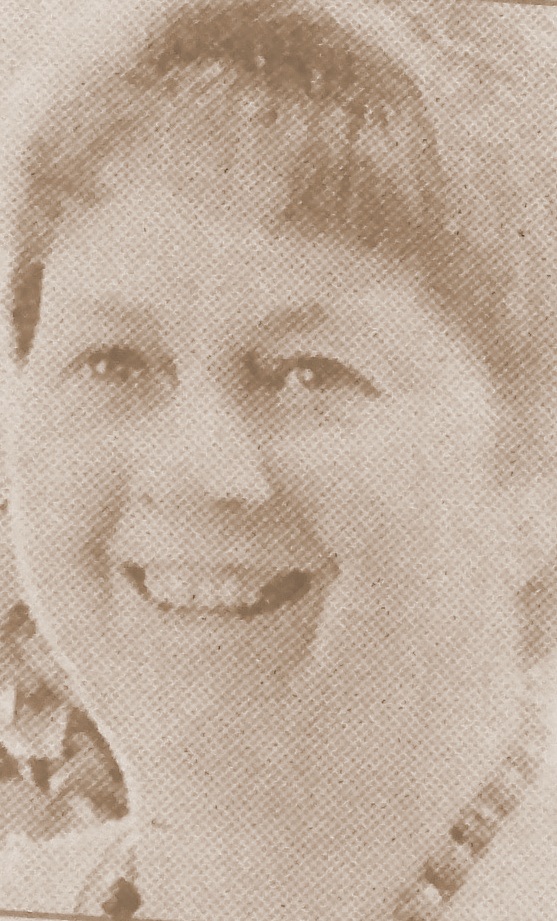
On January twenty-eighth of that year, the newspaper published Kathleen’s story and a photograph of her holding the flag. Five days later, the reporter sent an email with stunning news: the soldier’s brother had recognized the name and contacted the paper.
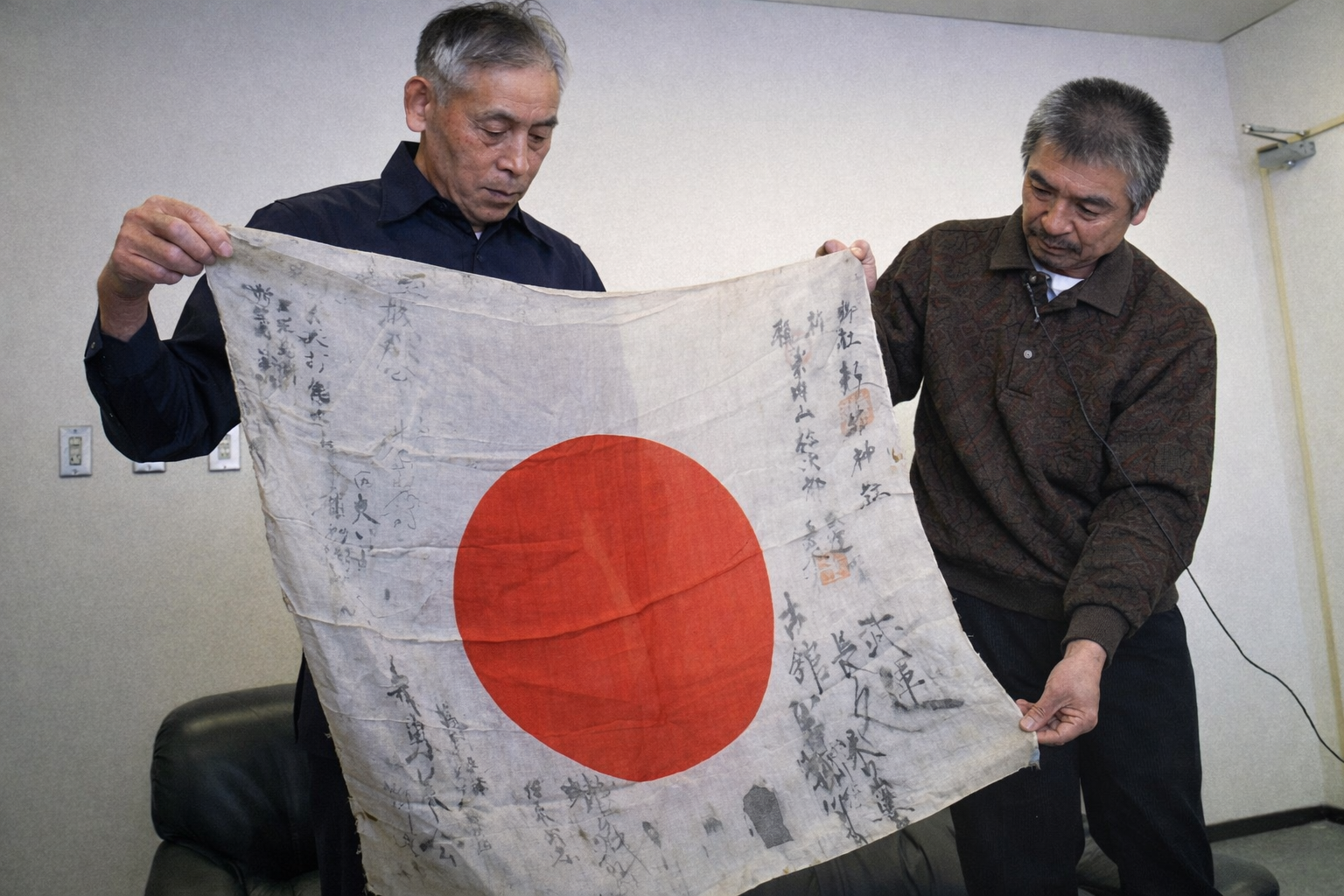
The fallen soldier was Matsujiro Yonaiyama. The flag bore his name, the official stamp of his temple, and the well-wishes of friends and relatives. In a remarkable twist, one slight misspelling in the writing helped his brother, Shigejiro Yonaiyama, identify it with certainty. Until then, the family had believed Matsujiro had died when the ship carrying him from Manchuria to Leyte sank. They had never known the real place or time of his death. At the time, all that had come home was an empty box with his name on it.
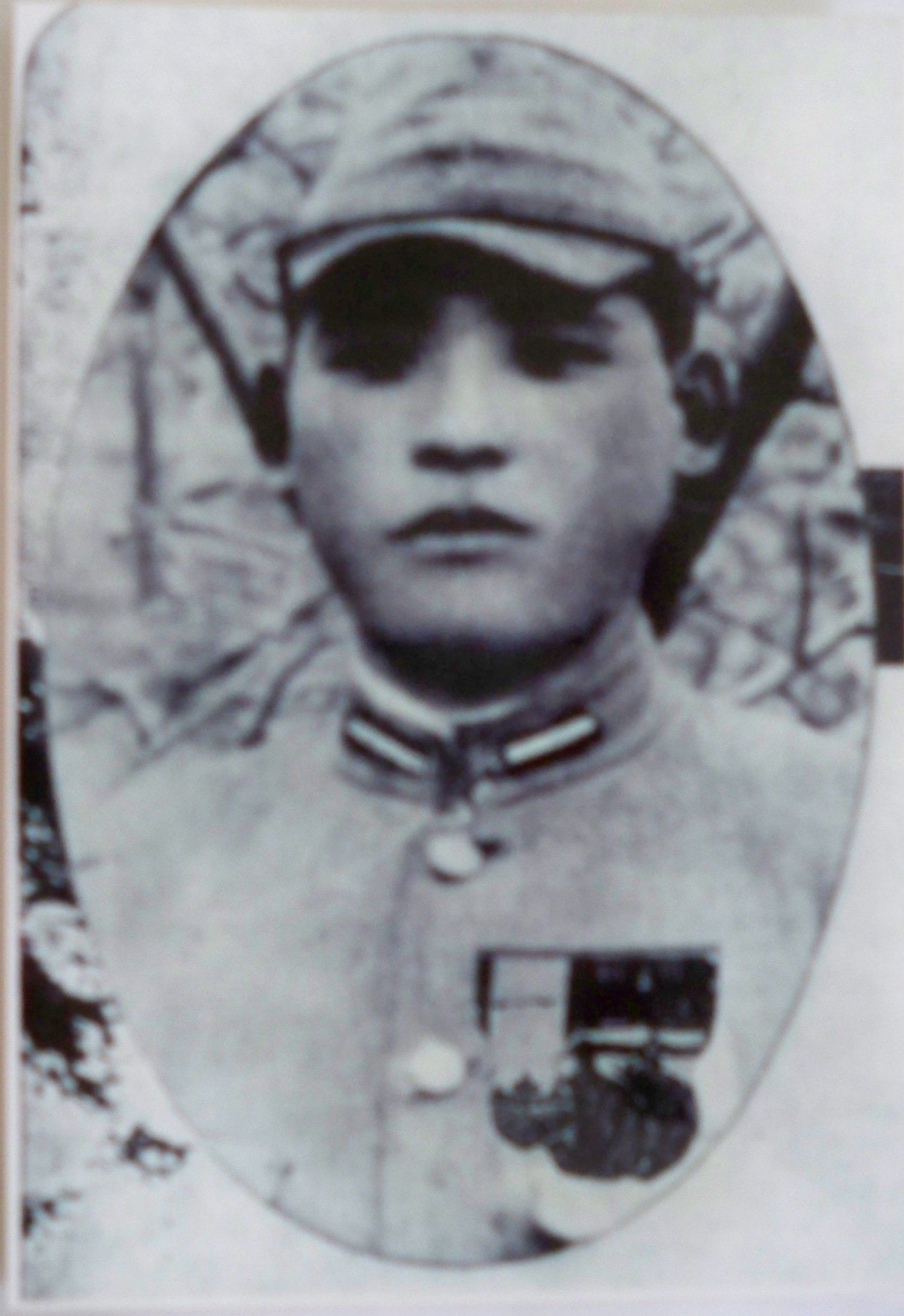
Closure for two families
Kathleen later recalled telling her father’s spirit, “We did good.” Those words captured what the return of the flag meant. It was not an act of politics, nor an attempt to erase war. It was a profoundly human gesture. On one side was an American family that had lived for decades with an object tied to another man’s death. On the other was a Japanese family that had never known where or how their loved one had fallen.
By sending the flag home, Kathleen gave the Yonaiyama family something far more important than a relic. She returned memory, identity, and a final connection. In doing so, she also gave her own family peace. William Hertzel’s wartime souvenir was transformed into an instrument of reconciliation.
The final journey home
In early March, Kathleen carefully packed the flag and sent it on its last journey by overnight courier. In her note she wrote that she did so with “much joy.” Soji Kudo received the package and on March 19 traveled from Tokyo to Misawa in far northwestern Japan. There he was met by the Yonaiyama family and by representatives of the United States Army.
From news footage Kathleen watched as Shigejiro Yonaiyama, with tears of happiness, saw and touched his older brother’s battle flag once more. That same day the flag was presented at Matsujiro’s empty grave, and a prayer was said over it. After fifty-five years and many thousands of miles, the flag had come full circle.
Special credit
Special credit to Kathleen “Kathy” Hertzel, daughter of William Hertzel, whose compassion, persistence, and sense of moral responsibility made it possible for Matsujiro Yonaiyama’s battle flag to be returned to his family in Japan. Her act transformed a wartime souvenir into a lasting gesture of remembrance and humanity.
Historical significance
This story links the Pacific War, Leyte, the Hertzel family, Anna Landschoot, and the Yonaiyama family in Japan. It shows how even a small object carried home from war can become, decades later, a bridge between former enemies. Through Kathleen Hertzel’s efforts, a forgotten flag became a symbol of dignity, closure, and reconciliation.
Based on the account written by Kathleen Hertzel, daughter of William Hertzel, concerning the return of the Japanese battle flag of Matsujiro Yonaiyama to his family in Japan.